


ABOUT ST. MAARTEN
Often referred to as the “hub” or the “center” of the Caribbean, St. Maarten is located at the Northern end of the Lesser Antilles, approximately 150 miles Southeast of Puerto Rico. The island is just a three hour flight from New York City and two hours forty-five minutes from Miami. People travel from all across the globe to visit the pristine white sand beaches and beautiful mountainous countryside of this multi-cultural mecca called St. Maarten. The island also boasts the largest natural lagoon in the Caribbean, creating a haven for sailors and yachtsman, and remains the winter home for many of the world’s mega-yachts. No matter if your intentions are to relax on the beach or pursue a myriad of exciting activities and nightlife, St. Maarten has something for everyone.
HISTORY
The 37-square-mile island of St. Maarten was first settled by the Arawaks and was discovered by Christopher Columbus on behalf of Spain in 1493. Columbus sighted the island on November 11th, the holy day of St. Martin of Tours, and so named the island after him. For the next 150 years the island was passed between Holland, England, France and Spain.
The old stone forts that guard many of the island's inlets are proof of the island's turbulent past. In 1648 St. Maarten was peacefully divided between Holland and France, and today is the smallest landmass in the world to be shared by two sovereign nations.
TRAVEL ON ISLAND
Traveling the island has been a pleasure in recent years, thanks to major initiatives to improve the infrastructure of St. Maarten, including the construction of new roads, the re-paving of existing roads and the implementation of roundabouts and traffic lights in key locations throughout the island.

Climate: Sub-tropical, with trade winds from the Caribbean Sea.
Temperature: The island has a year-round temperature of approximately 80°F (27°C).
Language: English is the predominate language in the island, however the official language on the St. Maarten side is Dutch, and is officially French on the St. Martin side. French Creole, Spanish, Papiamento and other languages are also spoken.
Population: 41,000 people live on St. Maarten and 36,000 on St. Martin for a combined total of 77,000.
Currency (Dutch St. Maarten): Netherlands Antilles florin (NAf); the official exchange rate is NAf 1.77 for each US$1.00 U.S. dollar.
(French St. Martin): The official monetary unit is the euro.
Electricity (Dutch St. Maarten): 110-volt AC, 60 cycles (same as U.S. & Canada)
(French St. Martin): 220-volt AC, 60 cycles (requires the use of adapters and transformers)
Medical Facilities: St. Maarten Medical Center in Cay Hill and L'hospital General de Gaulle in Marigot, St. Martin. Airlift is available to Puerto Rico and the continental U.S. in case of extreme medical emergency.
Pet Regulations: Animals are admitted temporarily to the island with the following papers: a health certificate dated no more than 10 days before visit and a record of inoculations, including a rabies shot administered no more than 30 days before visit, and pets must have an implanted microchip.
Airports: Princess Juliana International Airport (Dutch St. Maarten) services all the international flights. L'Espérance Airport (French St. Martin) services small commuter flights from neighboring islands.
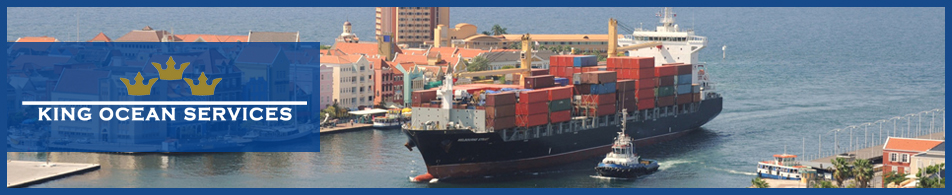
Seaports: Main deep-water port: Dr. A.C. Wathey Cruise & Cargo Facility located in Philipsburg, St. Maarten.
Click here to visit the St. Maarten Marine Trades Association website.
Telephone: Calls to St. Maarten/St. Martin from the U.S. are international calls and require the following country codes:
(Dutch St. Maarten): +1721 followed by the seven-digit local number
(French St. Martin): +011 then 590, 590 again followed by the six-digit local number.
(If you are calling from Europe, use the prefix “001” +721 for the Dutch side and 00590, then 590 for French side)
Time: Atlantic Standard Time, year-around



Copyright © 2014 | Caribe Broadcasting Network N.V. | All rights reserved